In Michigan, building codes can be enforced by the state, the county or the local government, and a permit goes through whichever one covers your address, so before work starts we check the state's building permit page to find that office, and when the job calls for a permit we pull it as part of the work. Because it has to be in place before we start, the permit is one of two things your schedule hangs on, and the other is weather, since mortar won't cure right in freezing cold. The state also requires anyone who builds a home, or repairs or improves one for pay, to hold a Residential Builder license from its Department of Licensing and Regulatory Affairs, with some exceptions in the law, so it's fair to ask any contractor about theirs. Price comes down to how much brick or mortar is damaged, how high and hard to reach it is, how closely new material has to match the old, and what we find once a wall or chimney is opened.
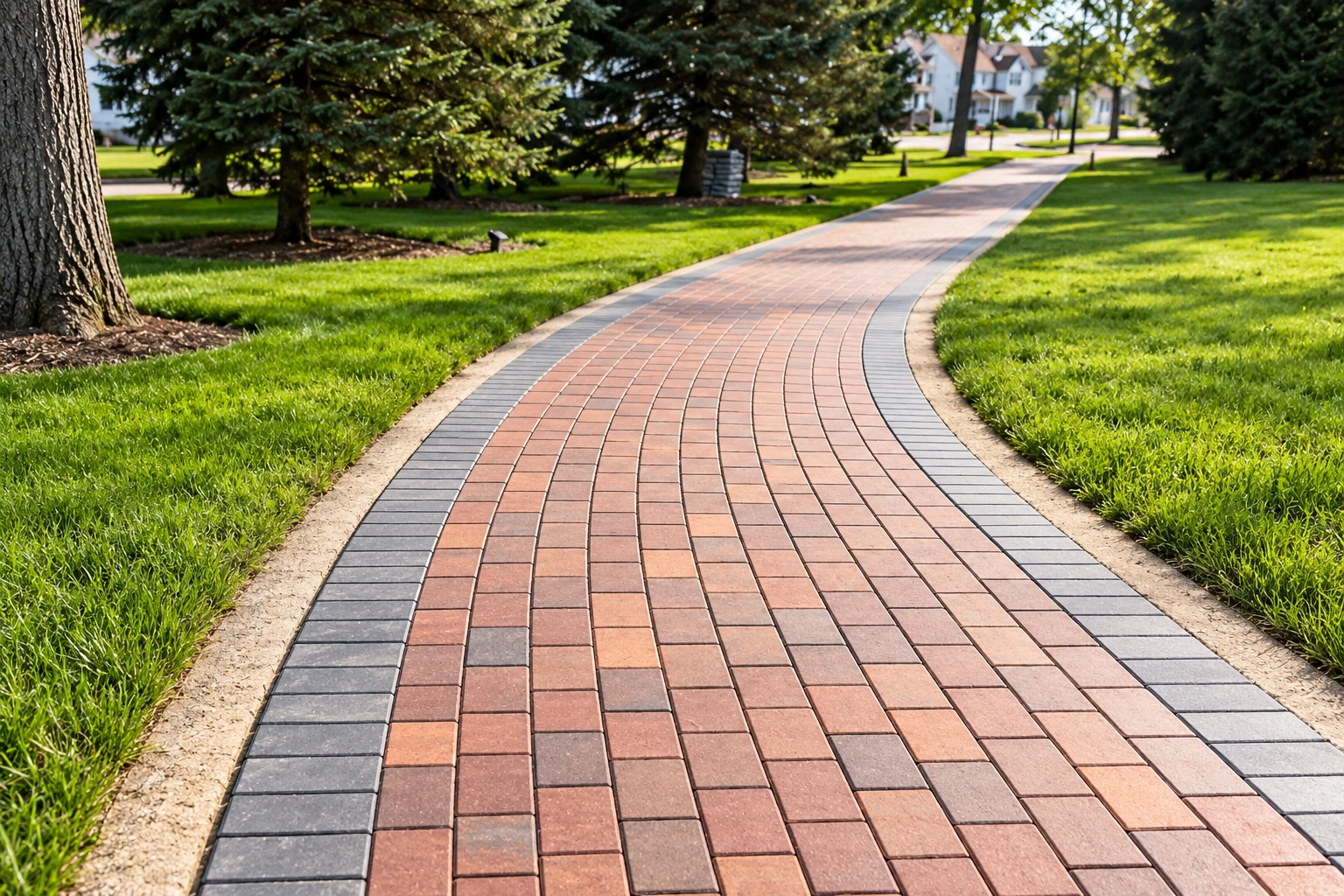
Niles sits along the St. Joseph River, and lots near the water or on low ground tend to stay damp, which soaks basement block and old brick ahead of every winter's freeze and thaw. So on foundation, retaining wall and walkway jobs here I look at grading and drainage before anything else, because a wall that keeps getting wet usually cracks again however well it's laid. We do the same work over in Elkhart and around South Bend, and wet ground near a river is something we meet on both sides of the line.